

The pull-up is one of the most sought-after bodyweight milestones — and one of the most misunderstood. If you can’t do one yet, that’s completely normal; here’s a realistic way to build toward it.
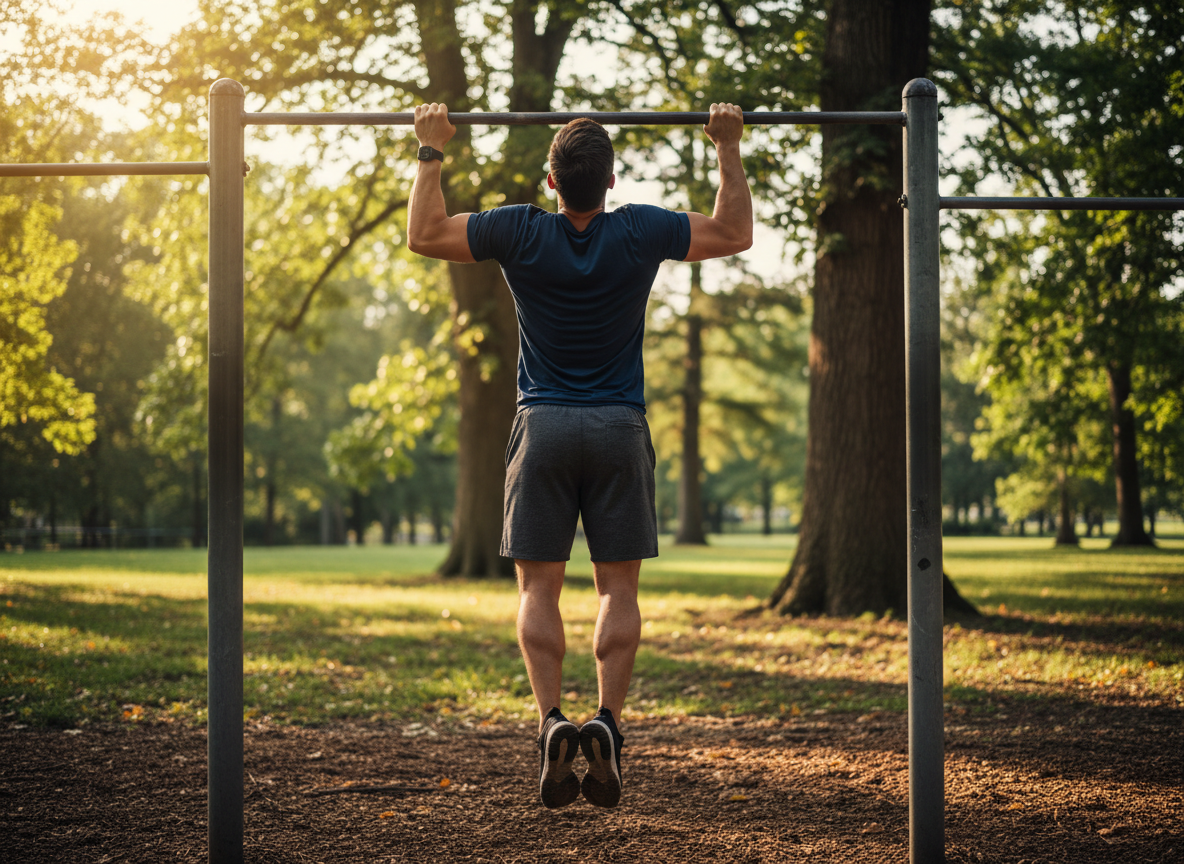
Start with a dead hang
Simply hanging from the bar with straight arms builds grip strength and shoulder stability — the foundation everything else builds on. Aim to hold for increasing amounts of time as a starting point.
Practice the negative
Jump or step up to the top position (chin over the bar), then lower yourself as slowly as you can control. This “negative” portion builds the same muscles used in the pull-up itself, often before you can do a full rep.
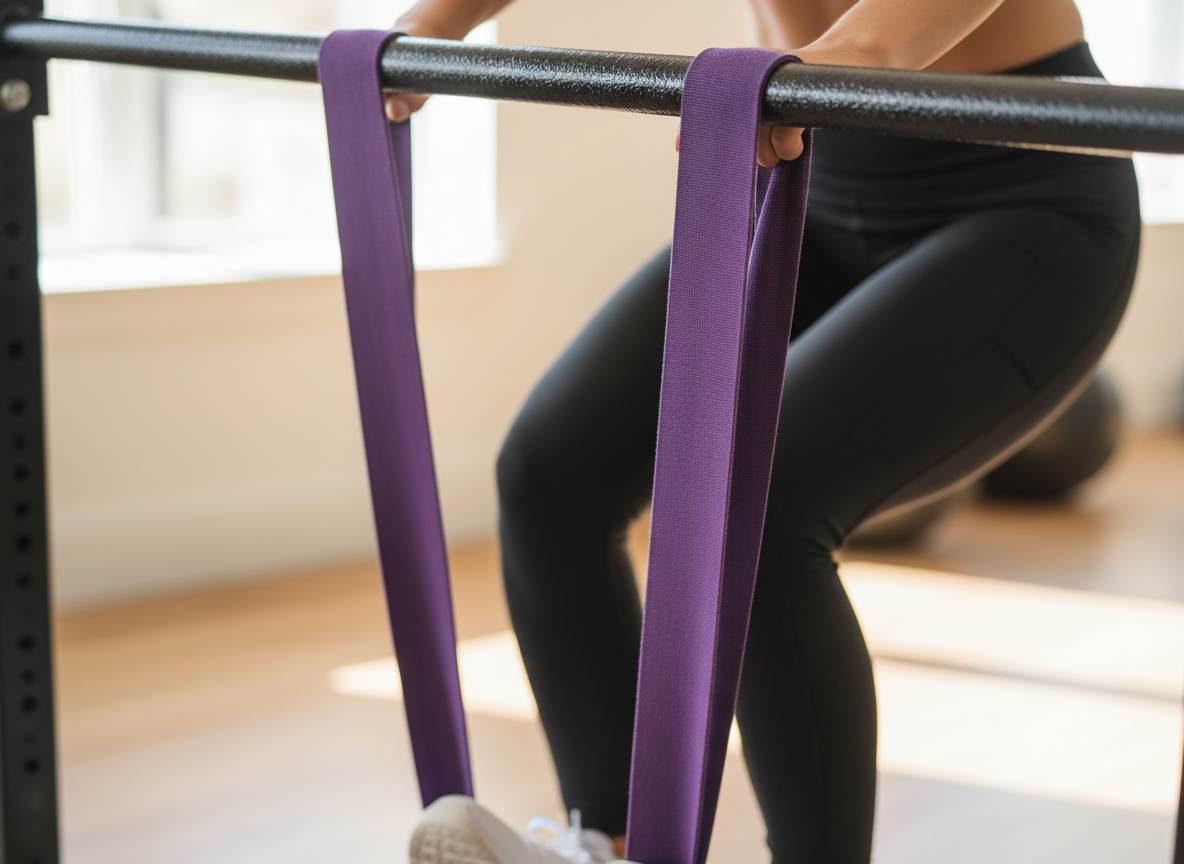
Use a resistance band for assistance
Looping a resistance band over the bar and under your foot or knee reduces the amount of body weight you’re lifting, letting you practice the full movement pattern with less resistance.
Build supporting strength with rows
Inverted rows (pulling your body toward a bar set at waist height) target similar muscles at an easier angle, making them a useful building block alongside direct pull-up practice.
Consistency matters more than intensity here
Practicing these movements a few times a week tends to produce steadier progress than occasional all-out attempts. This is a skill that develops with consistent practice.
Bodyweight matters too
Since you’re lifting your entire body weight, small changes in body composition can make a noticeable difference in how achievable a pull-up feels — another reason a well-rounded approach to nutrition and training helps.
If you want your nutrition to support your training goals, MyFreeHealthReport’s free questionnaire can help you see where to focus.
Keep reading: Bodyweight Training 101 or 5 No-Equipment Exercises You Can Do at Home.


Leave a Reply