

Calisthenics — training using only your own body weight — has grown from a niche practice into a mainstream way to build strength, control, and mobility without a single piece of equipment. Here’s what it’s actually good for.
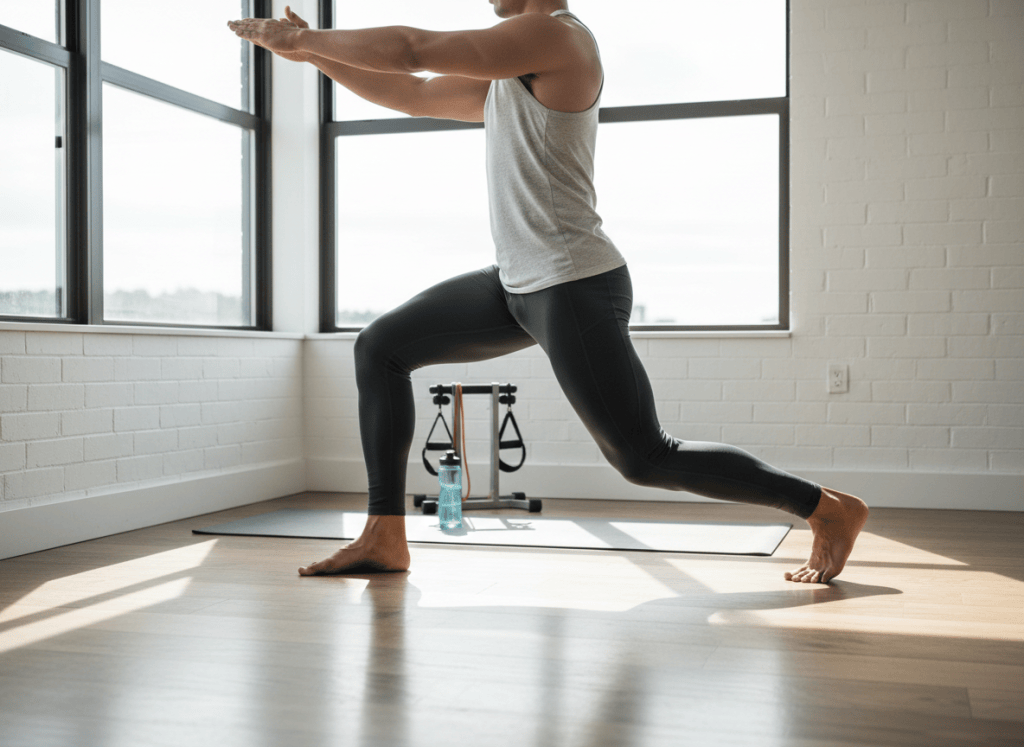
It builds functional, real-world strength
Because you’re moving and controlling your own body weight, calisthenics tends to translate well into everyday strength and coordination — not just the ability to lift a specific object in a specific way.
It scales to any fitness level
Nearly every calisthenics movement has an easier and harder variation — an incline push-up versus a full push-up, for example — making it accessible whether you’re a complete beginner or advanced athlete.
It improves mobility alongside strength
Bodyweight movements often require a fuller range of motion than machine-based exercises, which can support better flexibility and joint mobility over time.
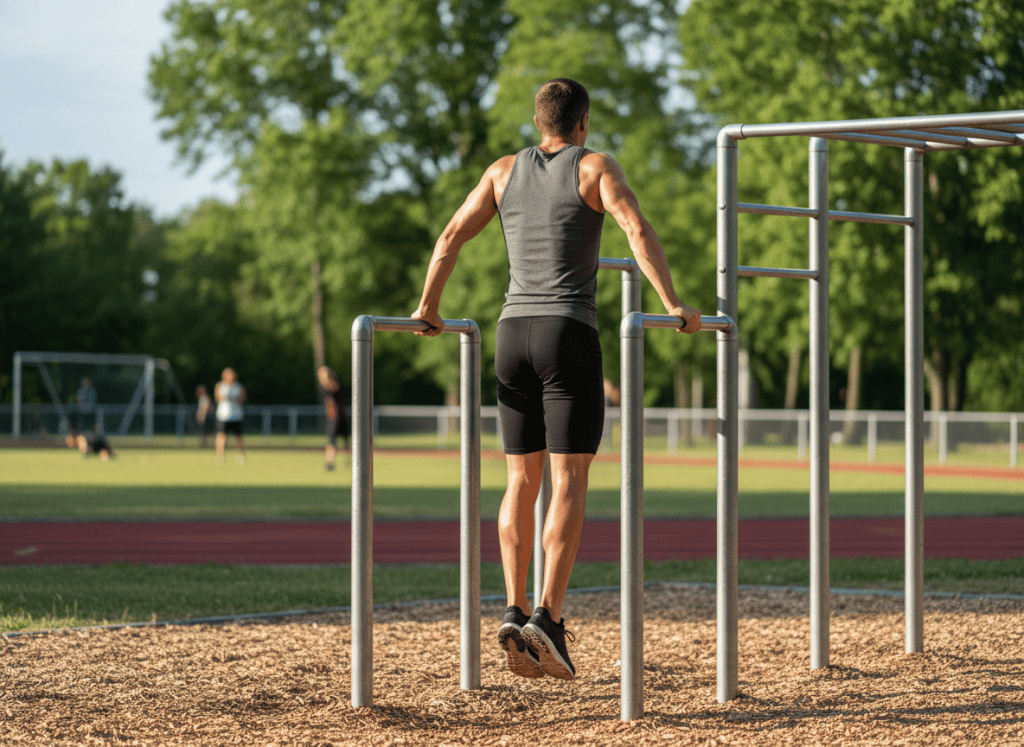
It requires patience with progressions
Advanced moves like pull-ups or handstands take time to build toward. Progress usually comes from working through a sequence of easier variations rather than attempting the hardest version right away.
It pairs well with what you’re already doing
Calisthenics doesn’t have to replace other forms of exercise — many people combine it with walking, cardio, or light weights as part of a broader routine.
Getting started
A simple starting routine — squats, push-ups (or an easier variation), and a plank — covers the basics. From there, progression comes from gradually increasing difficulty, not necessarily volume.
Movement is one piece of a bigger wellness picture. MyFreeHealthReport’s free questionnaire can help you see how training fits alongside nutrition, sleep, and recovery.
Keep reading: 5 No-Equipment Exercises You Can Do at Home or You Don’t Need a Gym: Simple Ways to Move More.


Leave a Reply