

“Just cut the sugar” is common fat-loss advice, and it’s not wrong exactly — but it tells an incomplete story. Insulin, the hormone at the center of this conversation, responds to more than sugar alone, and understanding that can make your approach more effective.
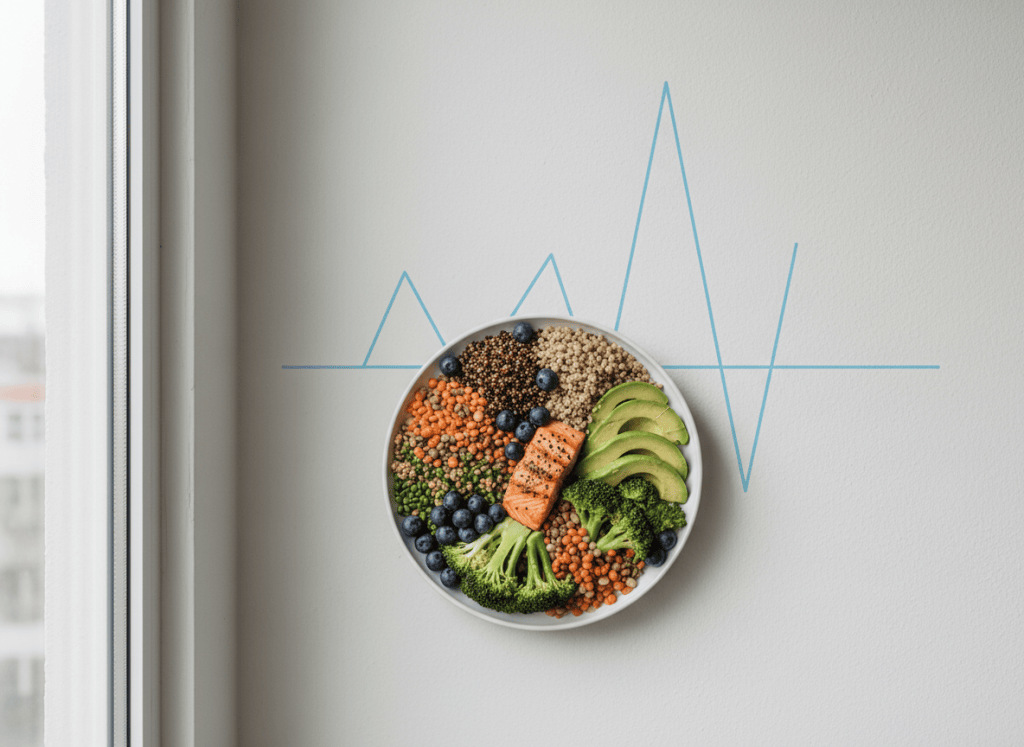
What insulin actually does
Insulin is released when blood sugar rises, helping move glucose from your bloodstream into cells for energy or storage. It also plays a role in whether your body stores fat or uses it for fuel — high, frequent insulin spikes can favor storage over burning.
It’s not just sugar — refined carbs count too
White bread, white rice, and other refined carbohydrates break down into sugar quickly, triggering a similar insulin response to straight sugar. Cutting soda but keeping a diet high in refined grains only addresses part of the picture.
Meal composition affects the response
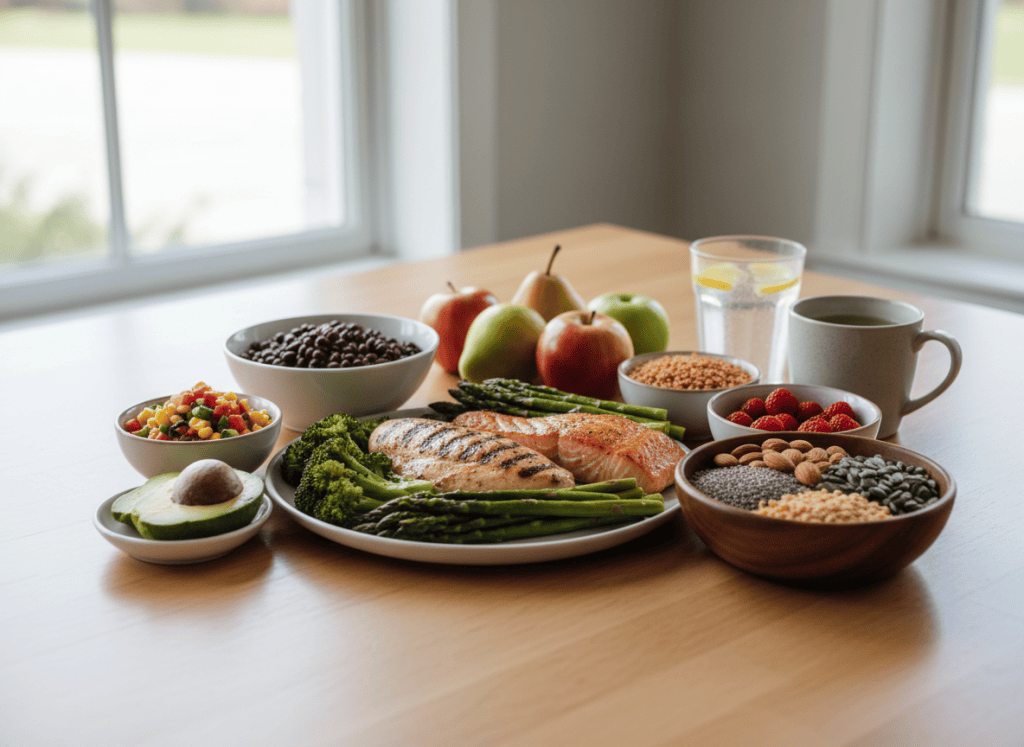
Pairing carbohydrates with protein, fiber, and healthy fats slows digestion and blunts the insulin spike compared to eating carbs alone — which is part of why a balanced plate matters more than any single ingredient.
Sleep and stress influence insulin too
Poor sleep and chronic stress both raise cortisol, which can worsen insulin sensitivity over time — meaning two people eating identical diets can respond differently depending on these other factors.
Movement improves how your body uses insulin
Physical activity, especially resistance training, improves insulin sensitivity — meaning your body needs less insulin to do the same job, which is generally favorable for fat loss.
The takeaway isn’t to fear carbs
This isn’t a case for cutting carbs entirely — it’s a case for thinking about the full picture: meal composition, sleep, stress, and movement, alongside sugar intake, rather than treating sugar as the only variable that matters.
If fat loss has felt harder than the “just eat less sugar” advice suggested, MyFreeHealthReport’s free questionnaire can help you look at your habits more holistically.
Keep reading: Weight Management Without the All-or-Nothing Mindset or Protein, Fiber, Vitamins, and Minerals.


Leave a Reply