
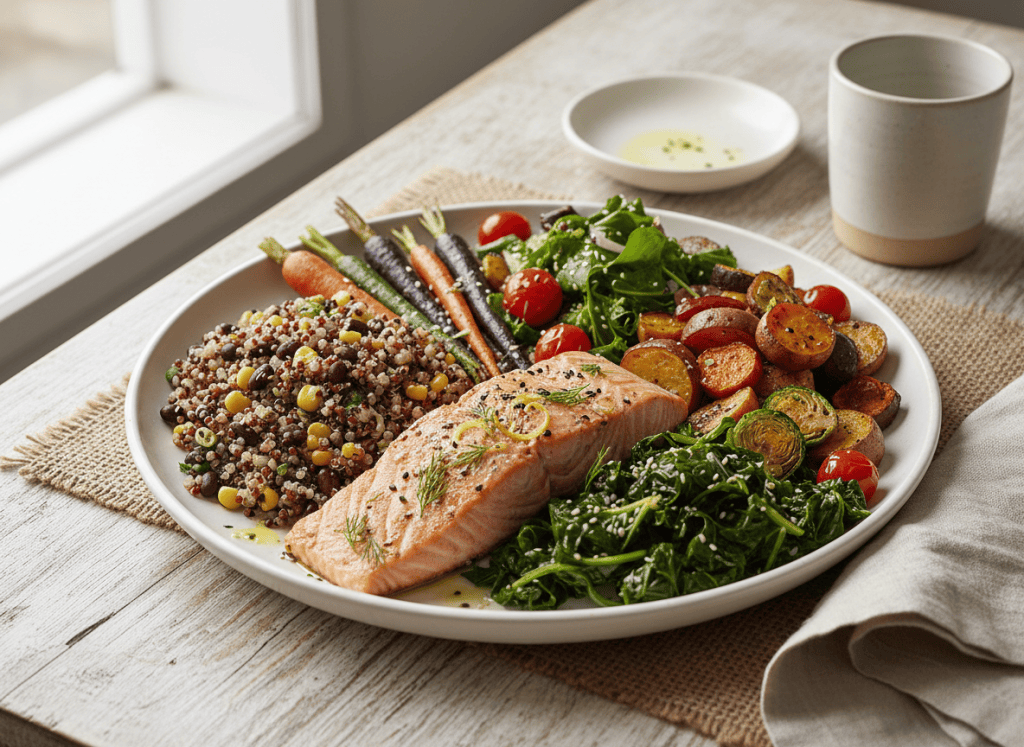
Weight management gets complicated fast once diet trends, conflicting advice, and quick-fix promises enter the picture. The habits that actually hold up long-term tend to be far less dramatic — and far more sustainable — than most of what gets marketed.
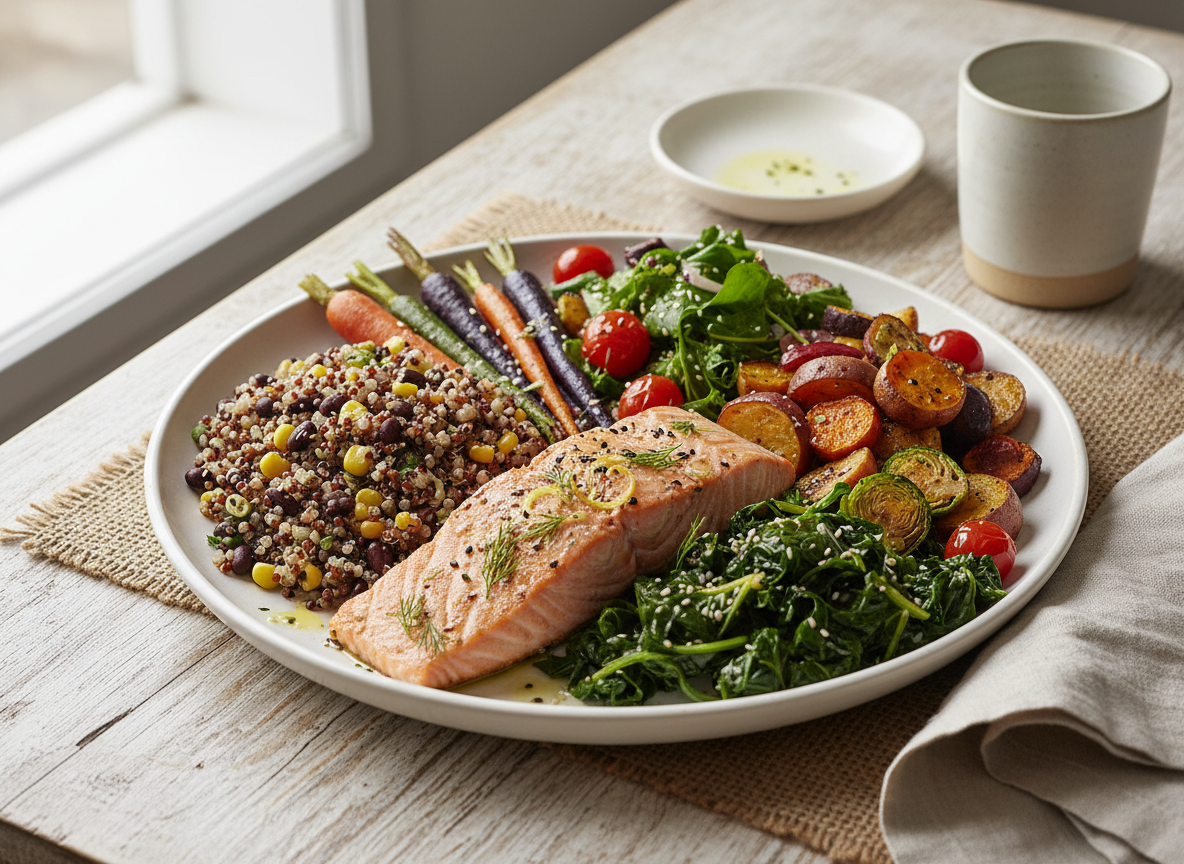
Consistency beats restriction
Very strict diets often work short-term but are hard to maintain, which is why so many people cycle on and off them. Small, repeatable changes — like adding a vegetable to a meal or taking a daily walk — tend to stick far longer.
Protein and fiber help you feel satisfied
Meals with a good source of protein and fiber tend to be more filling, which can naturally reduce the urge to snack between meals — without needing to track or restrict anything.
Movement supports more than just “burning calories”
Regular activity affects mood, sleep, and energy — all of which influence eating habits indirectly. It’s worth thinking about movement as part of overall wellbeing, not just a number on a tracker.

Sleep and stress matter more than people expect
Poor sleep and chronic stress can affect hunger signals and cravings. Addressing those areas often supports weight goals more than another change to what’s on your plate.
Progress isn’t always linear — or visible on a scale
Energy, strength, sleep quality, and mood are all meaningful signs of progress that don’t show up as a number. Paying attention to how you feel, not just how you look, tends to support habits that last.
If you’re not sure which habit would make the biggest difference for you personally, MyFreeHealthReport’s free questionnaire can help point you toward a good starting place. As always, for specific goals or existing health conditions, it’s worth checking in with a doctor or registered dietitian.
Keep reading: You Don’t Need a Gym: Simple Ways to Move More or How to Actually Read a Nutrition Label.


Leave a comment