

Spirulina — a blue-green algae — has been eaten for centuries, but one of its components, a vivid blue pigment called phycocyanin, has drawn growing attention in the wellness world. Here’s what it actually is.
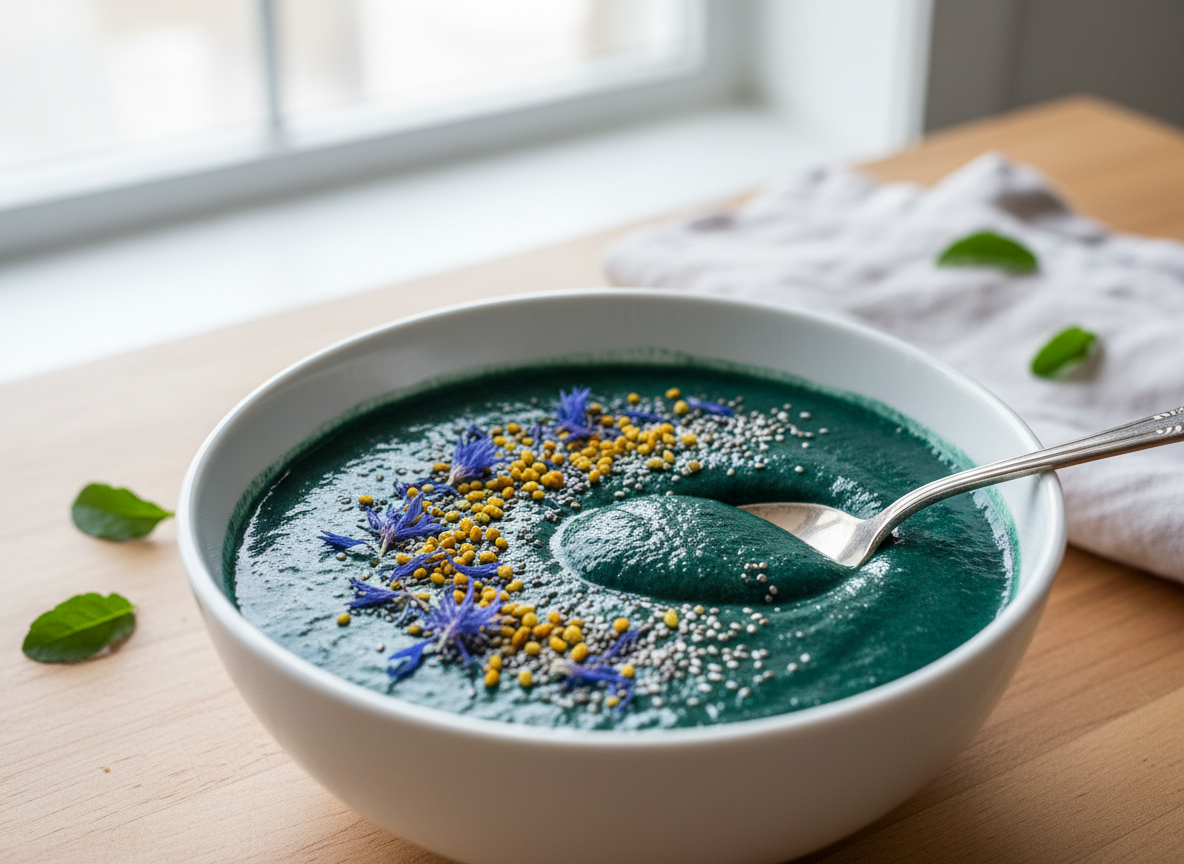
What spirulina actually is
Spirulina is a type of cyanobacteria (often loosely called blue-green algae) that’s unusually rich in protein, B vitamins, iron, and antioxidants for a plant-based food — one reason it’s popular in smoothies and green powders.
Phycocyanin is what gives it that blue color
Phycocyanin is the specific pigment-protein responsible for spirulina’s striking blue tint, and it’s also an antioxidant compound that researchers have studied for its potential role in reducing oxidative stress in the body.
What the research actually shows so far
Early research on phycocyanin’s antioxidant and anti-inflammatory properties is promising but still developing — much of it is in early-stage or animal studies rather than large human trials, so it’s reasonable to stay curious without over-claiming results.
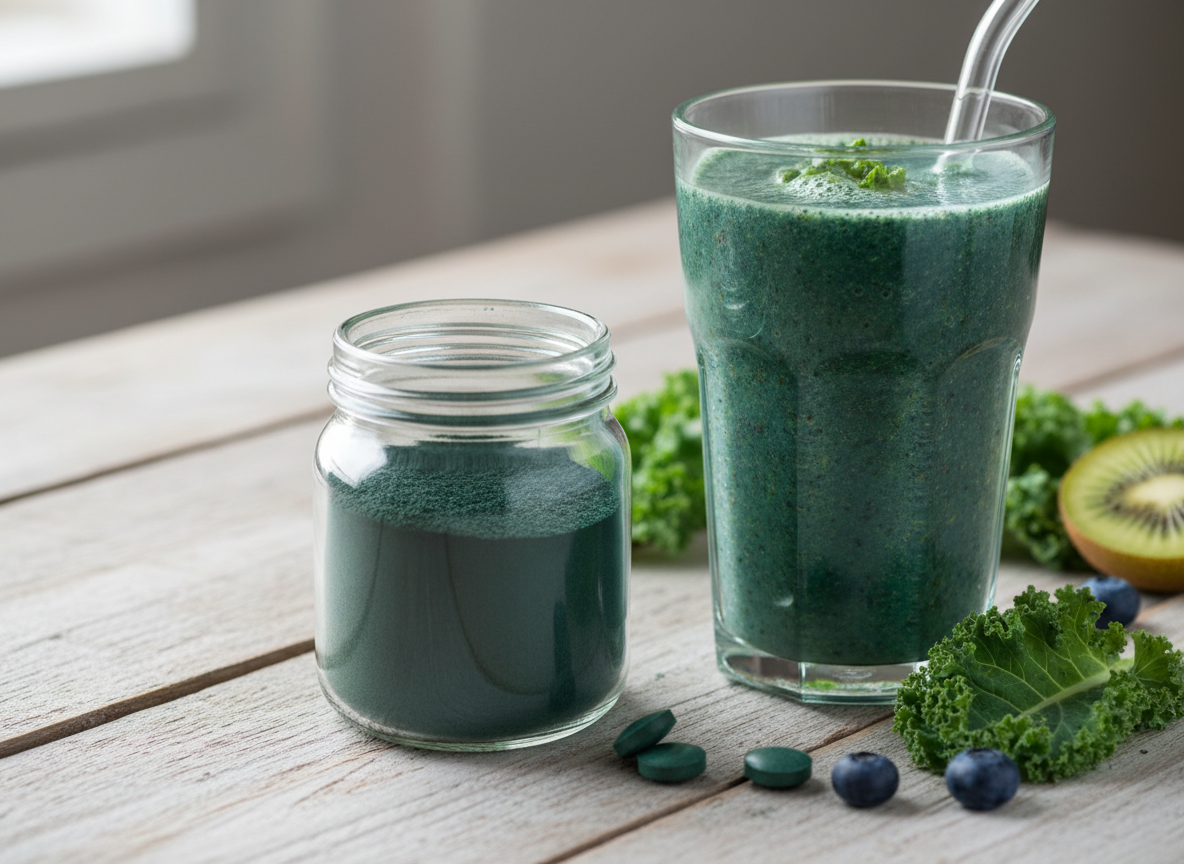
How people typically use it
Spirulina is most commonly used as a powder blended into smoothies, or in capsule form as a general nutrient-dense supplement, rather than as a treatment for any specific condition.
A few things to know before trying it
Spirulina can be contaminated with toxins if sourced from poorly controlled waters, so buying from a reputable, tested brand matters more here than with many other supplements. People with autoimmune conditions should check with a doctor first, as spirulina can stimulate immune activity.
Curious whether a nutrient-dense addition like spirulina fits your routine? MyFreeHealthReport’s free questionnaire can help you think it through.
Keep reading: Aloe Vera and Other Botanicals or How to Evaluate Supplement Quality and Safety.


Leave a Reply