

Aloe vera and other botanicals show up everywhere — skincare, juices, supplements, teas. Here’s a closer look at a few popular ones and what they’re actually used for.
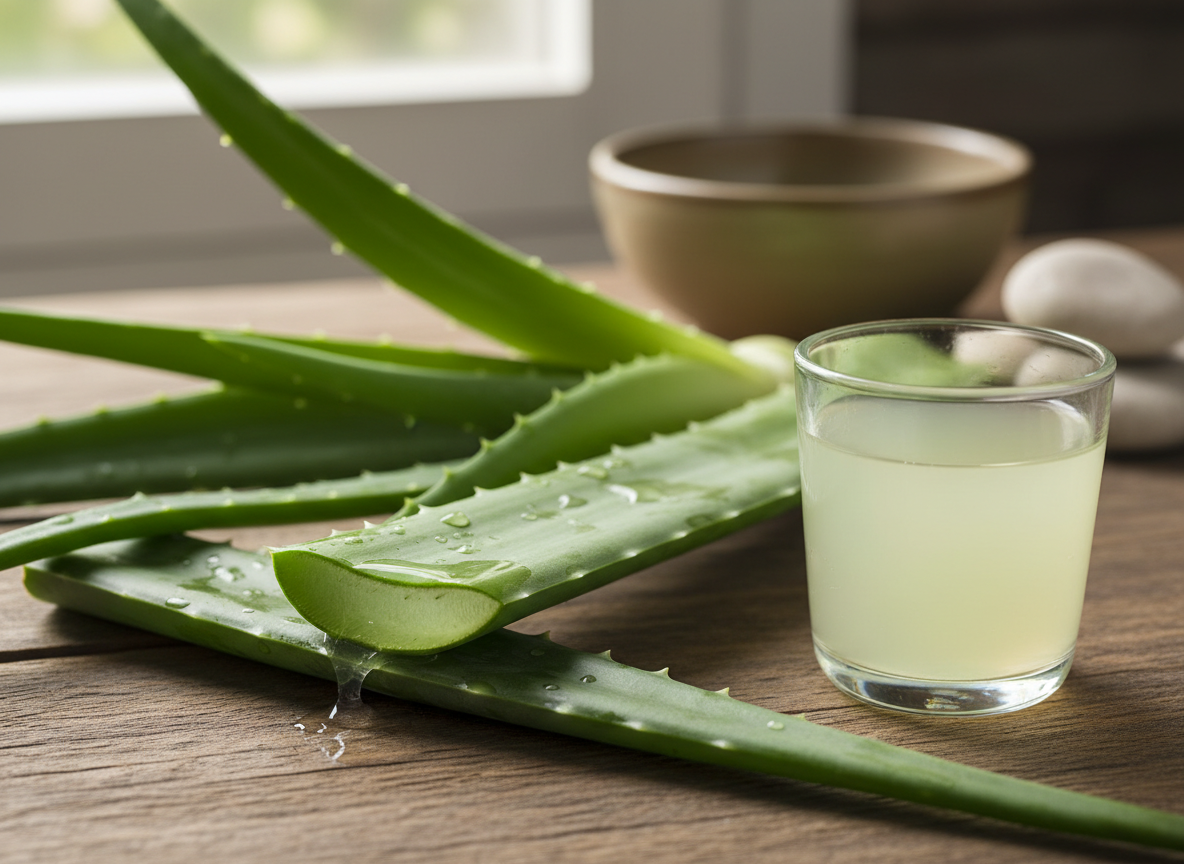
Aloe vera
Best known topically for soothing skin (sunburns, minor irritation), aloe vera is also consumed as a juice, sometimes for digestive comfort. Topical use has more established support than internal use, which has more mixed evidence.
Green tea extract
Rich in antioxidants called catechins, green tea extract is often included in supplements aimed at metabolism or general antioxidant support. Whole green tea is generally considered the gentler way to get similar benefits.
Milk thistle
Traditionally associated with liver support, milk thistle is one of the more researched botanicals, though results across studies vary.
Elderberry
Popular during cold and flu season, elderberry is often used in syrups and gummies aimed at supporting immune function, particularly around the start of common seasonal symptoms.
What to keep in mind with any botanical
Botanicals vary widely in potency depending on how they’re prepared (extract, juice, whole plant), and “plant-based” doesn’t mean automatically safe for everyone — allergies and interactions are still possible.
Curious which natural approaches might genuinely fit your needs? MyFreeHealthReport’s free questionnaire can help point you in a more personalized direction.
Keep reading: Herbal Supplements 101 or How to Evaluate Supplement Quality and Safety.


Leave a Reply