

Not every wellness practice needs to be intense to be effective. Yoga, tai chi, breathwork, quiet stillness, and even laughter are gentle tools that support both calm and connection — with yourself and with others.
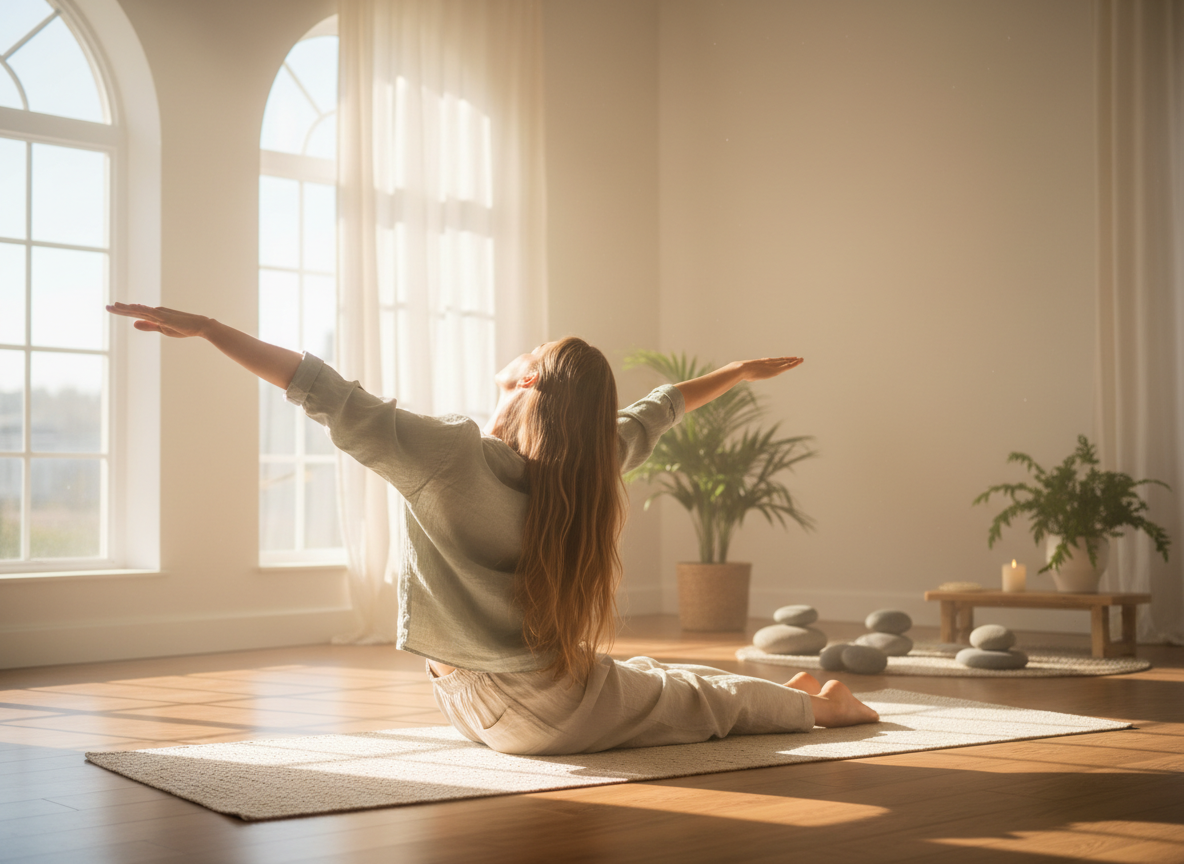
Yoga: movement with attention
Yoga combines physical movement with breath and attention, which is part of why it’s associated with both flexibility gains and stress reduction. You don’t need advanced poses to benefit — even a gentle 10-minute stretch-based practice counts.
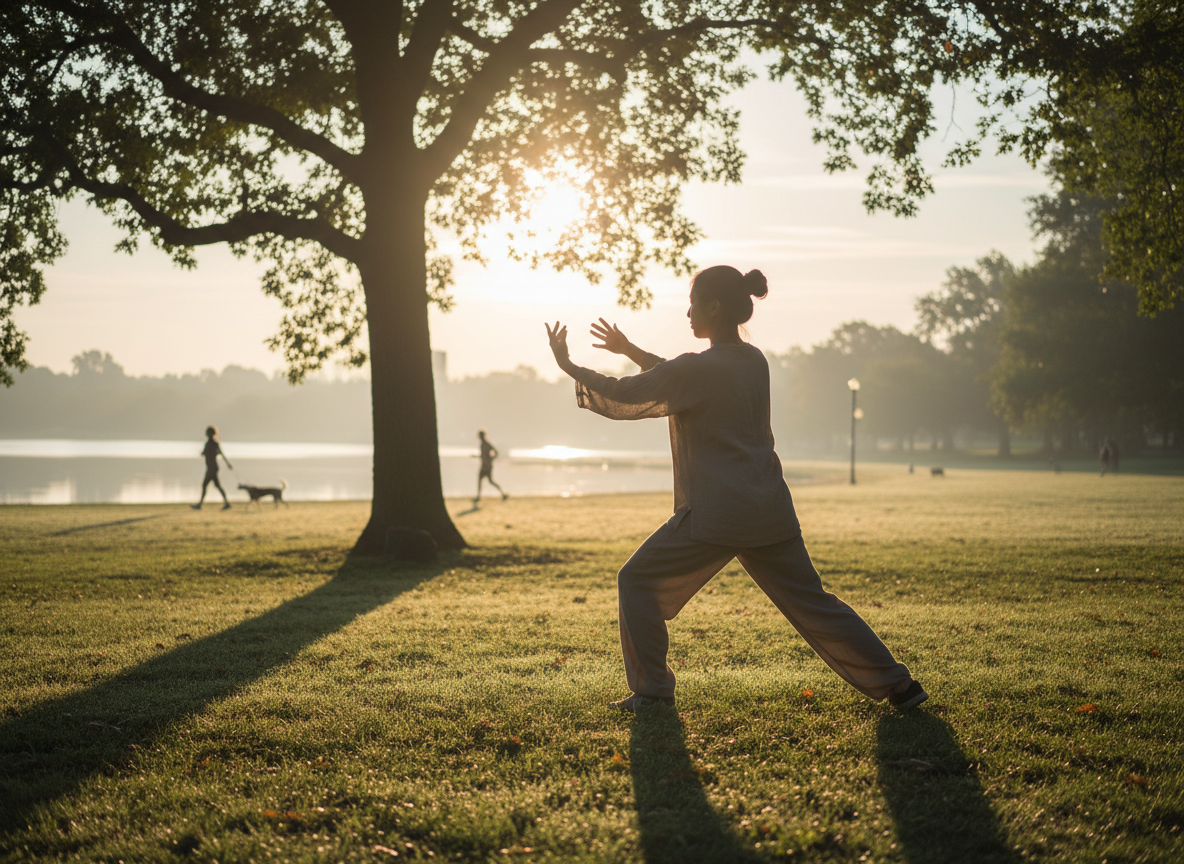
Tai chi: slow, deliberate movement
Often described as “meditation in motion,” tai chi’s slow, flowing movements support balance, gentle strength, and a calm, focused mental state — and it’s low-impact enough to suit nearly any fitness level.
Breathwork: a tool you always have with you
Slow, deep breathing activates the body’s relaxation response almost immediately. A simple pattern — inhale for four counts, exhale for six — is enough to notice a difference in the moment, no equipment or class required.
Silence: an underrated practice
In a world of constant notifications and background noise, deliberate quiet time — even a few minutes without music, podcasts, or screens — gives your mind a genuine chance to rest and process.
Laughter: connection and stress relief in one
Laughing lowers stress hormones and tends to happen most naturally in the company of others — making it one of the few wellness practices that doubles as social connection.
None of this requires a big commitment
A few minutes of any of these practices — a short yoga stretch, a few slow breaths, a quiet moment, time with people who make you laugh — can shift how the rest of your day feels.
If you want a broader look at how calm, connection, and rest fit into your overall wellbeing, MyFreeHealthReport’s free questionnaire can help.
Keep reading: Mindful Living or Everyday Stress Management.


Leave a Reply