
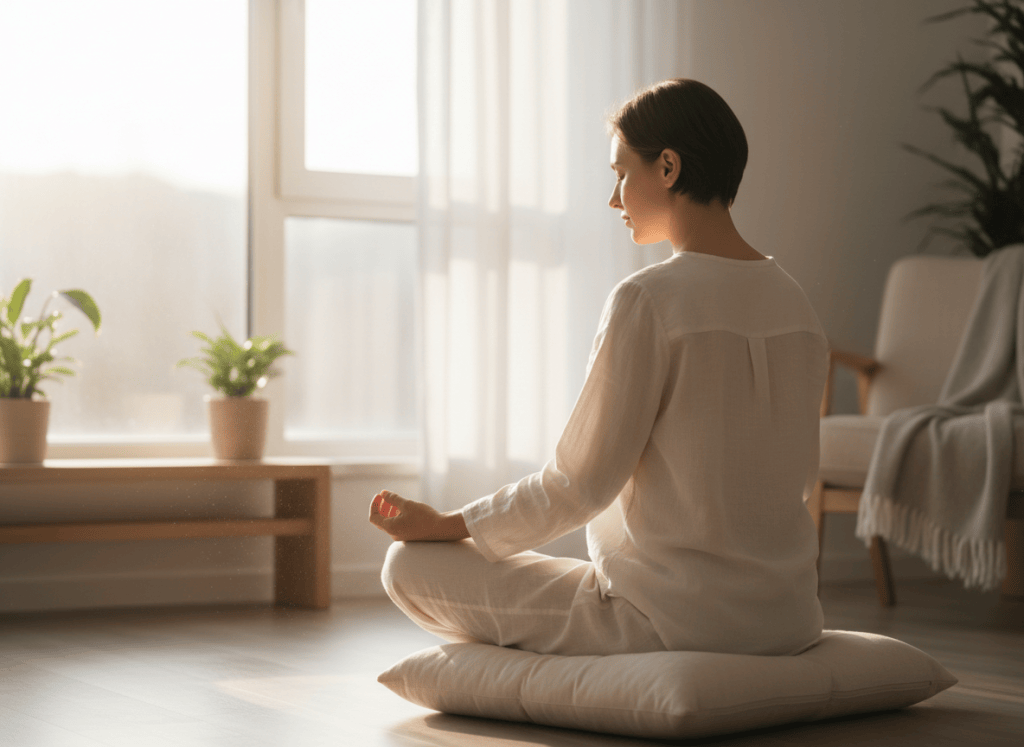
Stress isn’t something you can fully eliminate — deadlines, family, finances, and daily friction are part of life. What actually helps is having small, reliable habits that keep stress from piling up unmanaged.
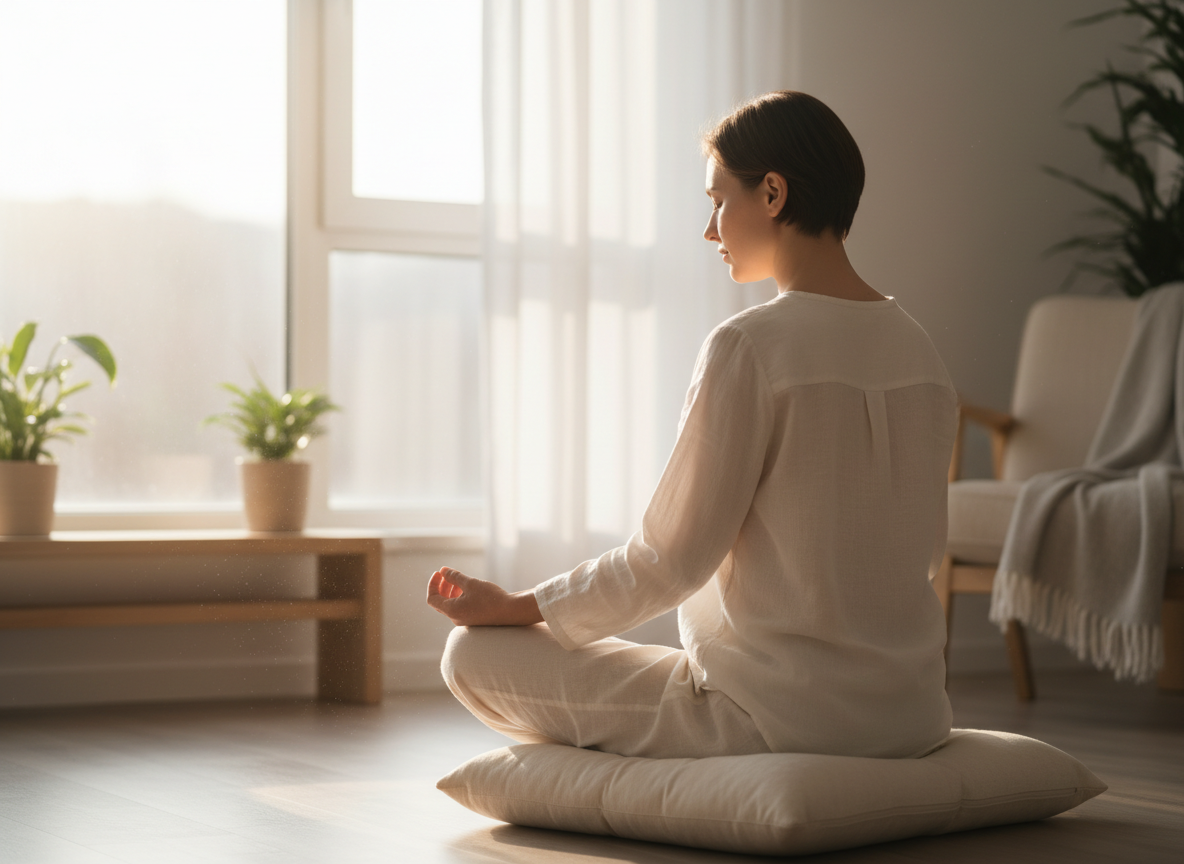
Slow breathing works faster than you’d think
A few minutes of slow, deep breathing activates your body’s relaxation response and can noticeably lower tension in real time — no app or special technique required, just slower inhales and longer exhales.
Name what’s actually bothering you
Vague, free-floating stress feels heavier than a specific, named problem. Writing down what’s actually on your mind — even briefly — often makes it feel more manageable.
Build in short breaks, not just one long one
A few 5-minute breaks throughout a demanding day tend to help more than pushing through and hoping the weekend fixes it.
Limit stress inputs where you can
Constant news alerts or endless scrolling add a steady low-level stress most people don’t fully notice. Setting boundaries around when you check them can meaningfully lighten your mental load.
Movement and sleep are stress tools too
Physical activity and good sleep both directly affect how resilient you feel under pressure — they’re not separate from stress management, they’re part of it.
If stress has been affecting your sleep, energy, or overall wellbeing, MyFreeHealthReport’s free questionnaire can help you see the bigger picture and where to start.
Keep reading: Sleep and Recovery: Why Rest Is Not Optional or You Don’t Need a Gym: Simple Ways to Move More.


Leave a comment