

Whether you’re fully plant-based or just trying to include more meatless meals, one question comes up constantly: how do you get enough protein and other nutrients without meat? The answer is more straightforward than it might seem.
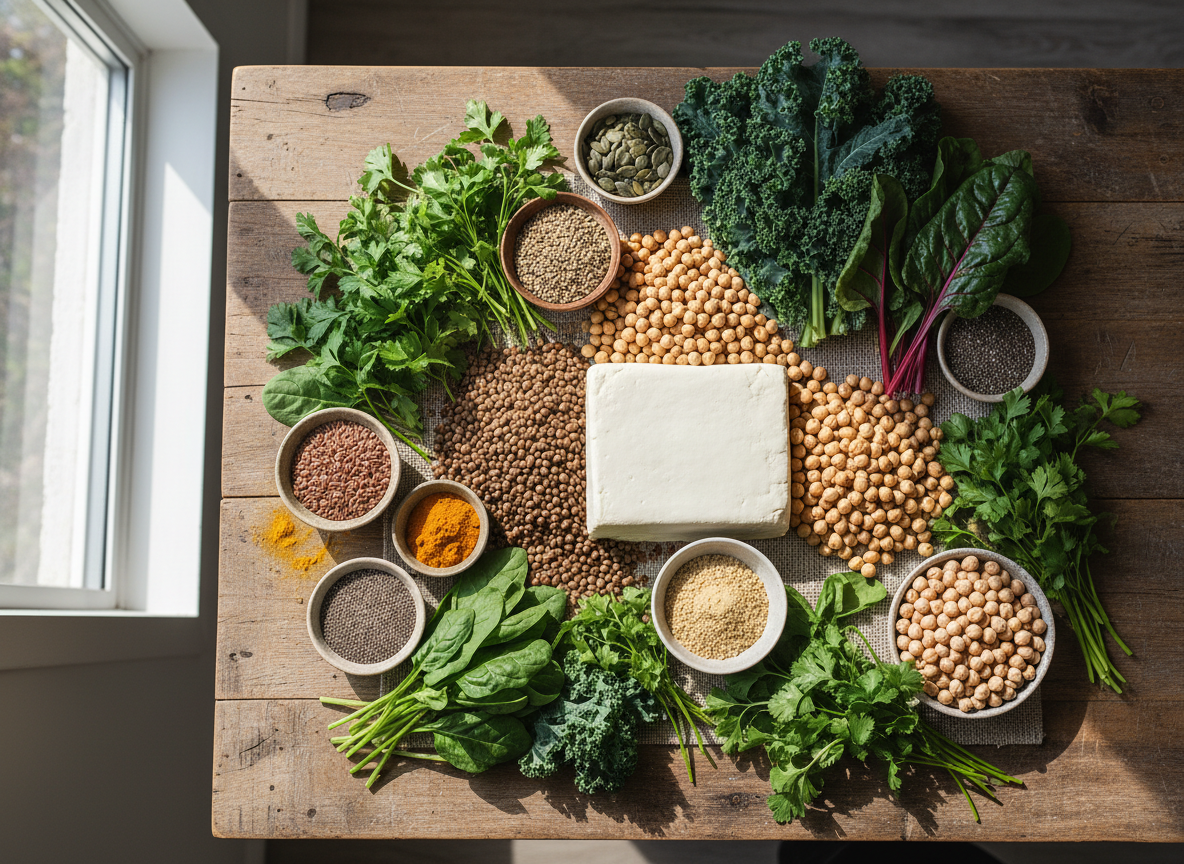
Protein: combine sources across the day
Legumes, tofu, tempeh, lentils, and quinoa are all solid plant protein sources. You don’t need to combine “complete” proteins in a single meal — eating a variety across the day covers your needs.
Iron: pair with vitamin C
Plant-based iron (in lentils, spinach, beans) is absorbed less efficiently than iron from meat. Pairing these foods with a vitamin C source — like citrus or bell peppers — meaningfully improves absorption.
B12 needs extra attention
B12 is naturally found almost exclusively in animal products, so a fully plant-based diet typically requires a supplement or fortified foods to avoid deficiency over time.
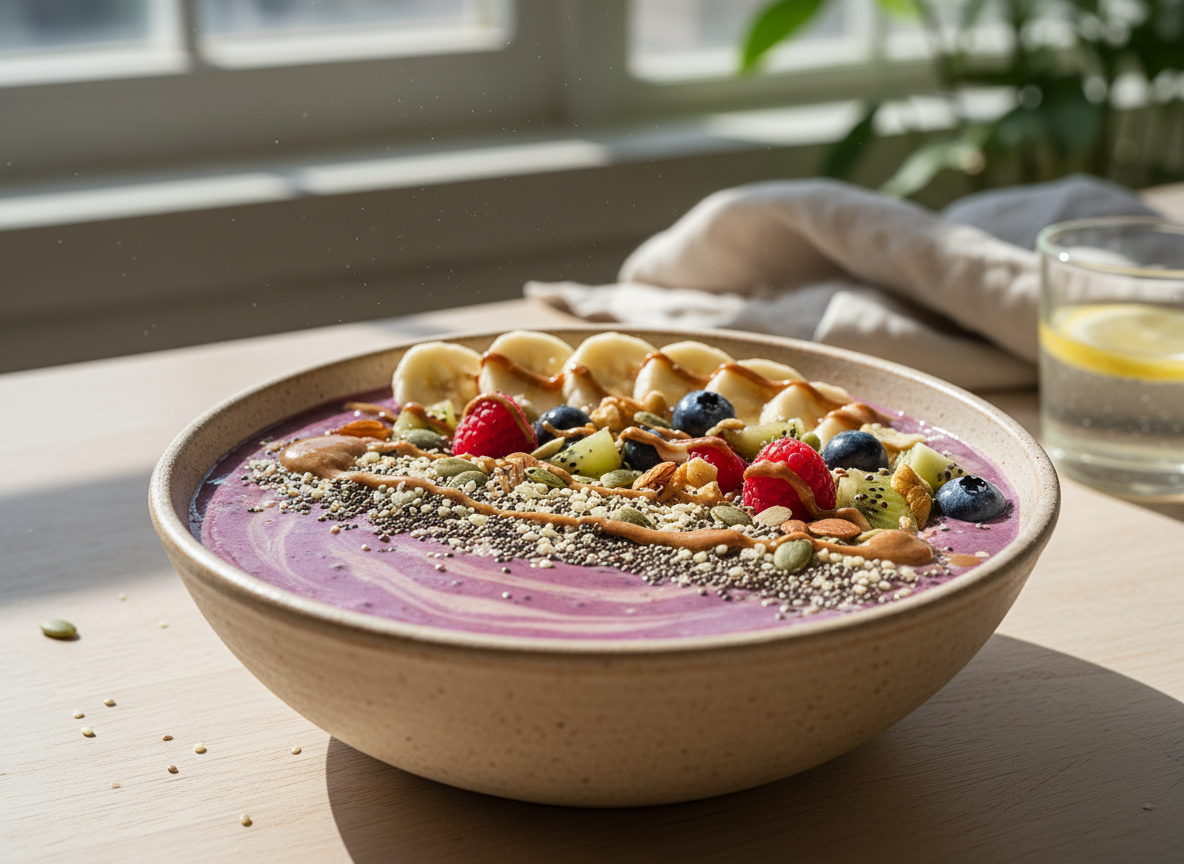
Omega-3s from algae, not just fish
Flaxseed, chia seeds, and walnuts provide plant-based omega-3s, though algae-based supplements offer the same type found in fish oil for those who want a closer match.
Whole plant foods over processed alternatives
Many packaged plant-based products are highly processed. Building meals around whole foods — beans, grains, vegetables, nuts — tends to be more nutritious than relying heavily on meat substitutes.
Whatever your eating pattern, MyFreeHealthReport’s free questionnaire can help identify where your diet might need extra attention.
Keep reading: Protein, Fiber, Vitamins, and Minerals or Omega-3 and Other Nutritional Supplements.


Leave a Reply