
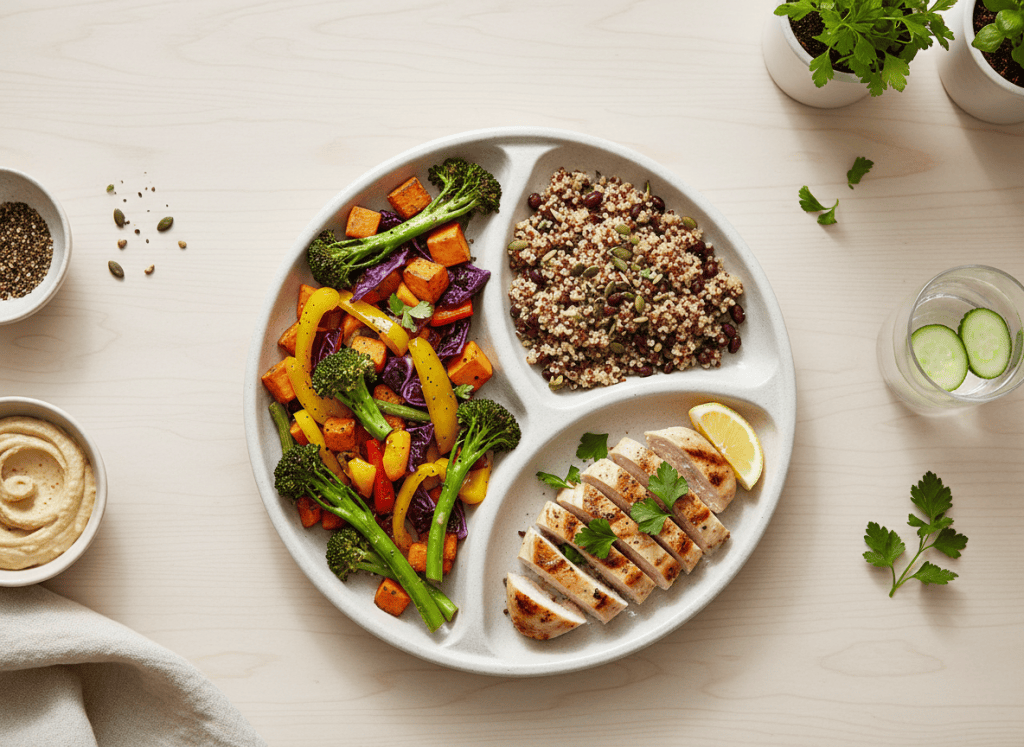
“Eat a balanced diet” is advice everyone’s heard, but it rarely comes with a clear picture of what that actually means at mealtime. Here’s a simple, practical way to think about it — no tracking required.
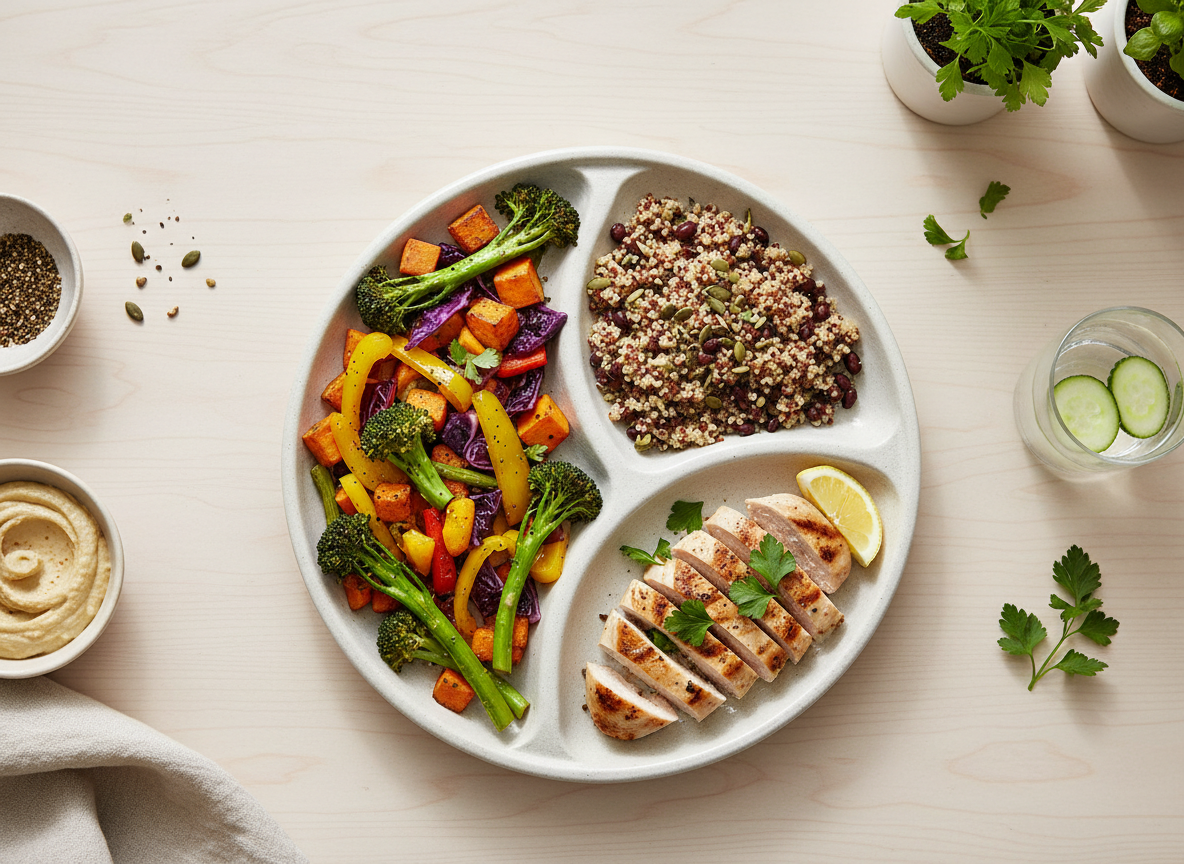
Think in proportions, not rules
A helpful mental model: fill about half your plate with vegetables and fruit, a quarter with protein, and a quarter with whole grains or starchy vegetables. It’s a rough guide, not a strict formula.
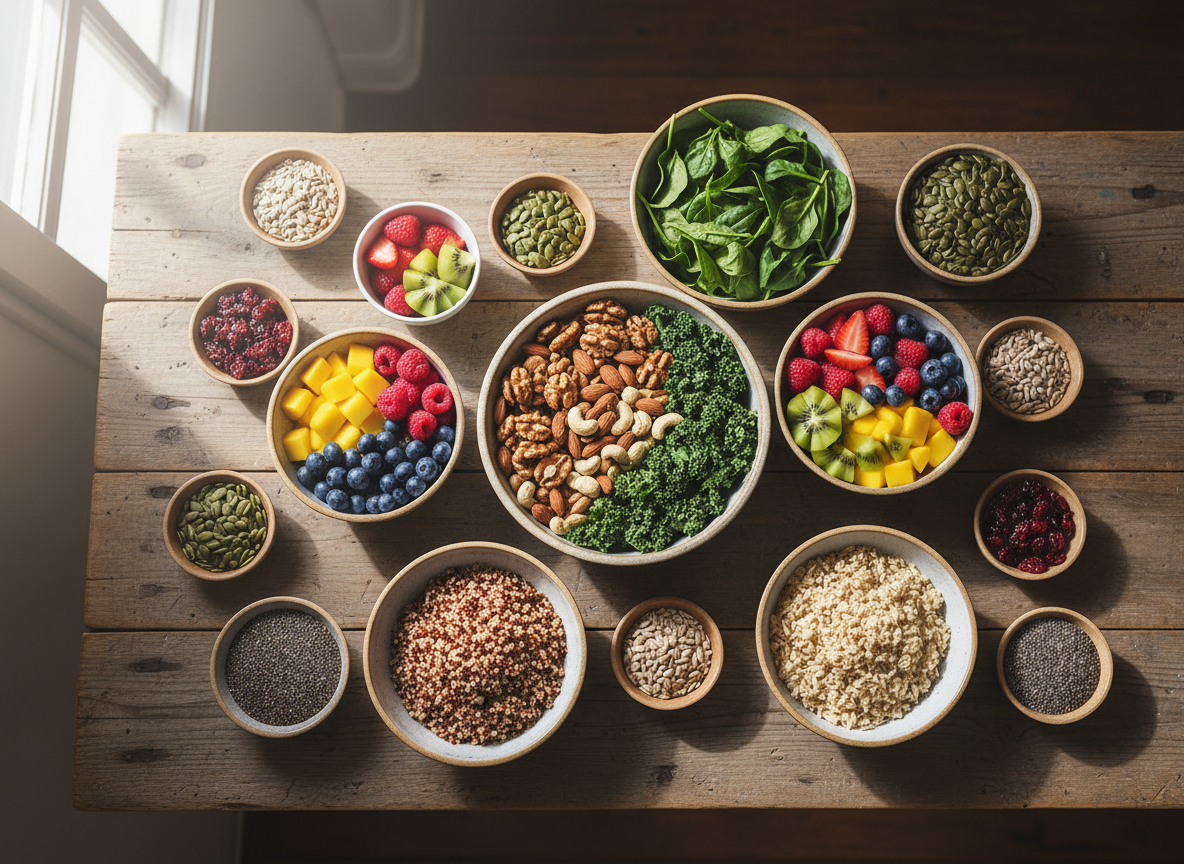
Variety matters more than any single “superfood”
No single food covers everything your body needs. Rotating between different vegetables, proteins, and grains over the week does more for your nutrition than any one trendy ingredient.
Don’t treat fats as the enemy
Healthy fats from sources like olive oil, nuts, and fish support hormone function and help you absorb certain vitamins. Balanced doesn’t mean fat-free — it means including them in reasonable amounts.
Balance is measured over days, not meals
One indulgent meal doesn’t undo balanced eating, just like one healthy meal doesn’t erase a less balanced week. Looking at your eating pattern over several days is far more useful than judging a single plate.
Start by adding, not subtracting
Instead of focusing on what to cut out, try adding one more vegetable or a source of protein to meals you already eat. It’s a smaller change that’s easier to sustain than an overhaul.
Not sure where your own diet has the most room to improve? MyFreeHealthReport’s free questionnaire can help highlight where to focus first.
Keep reading: 5 Signs Your Body Might Be Missing Key Nutrients or Gut Health 101.


Leave a comment