

Immune support gets marketed as a single food or supplement away, but your immune system actually depends on a combination of everyday habits working together. Here’s what genuinely matters.
Sleep is one of the biggest factors
Poor sleep is consistently linked to a weaker immune response. Prioritizing consistent, quality sleep may do more for your immune system than any single food.
Vitamin C and zinc support immune function
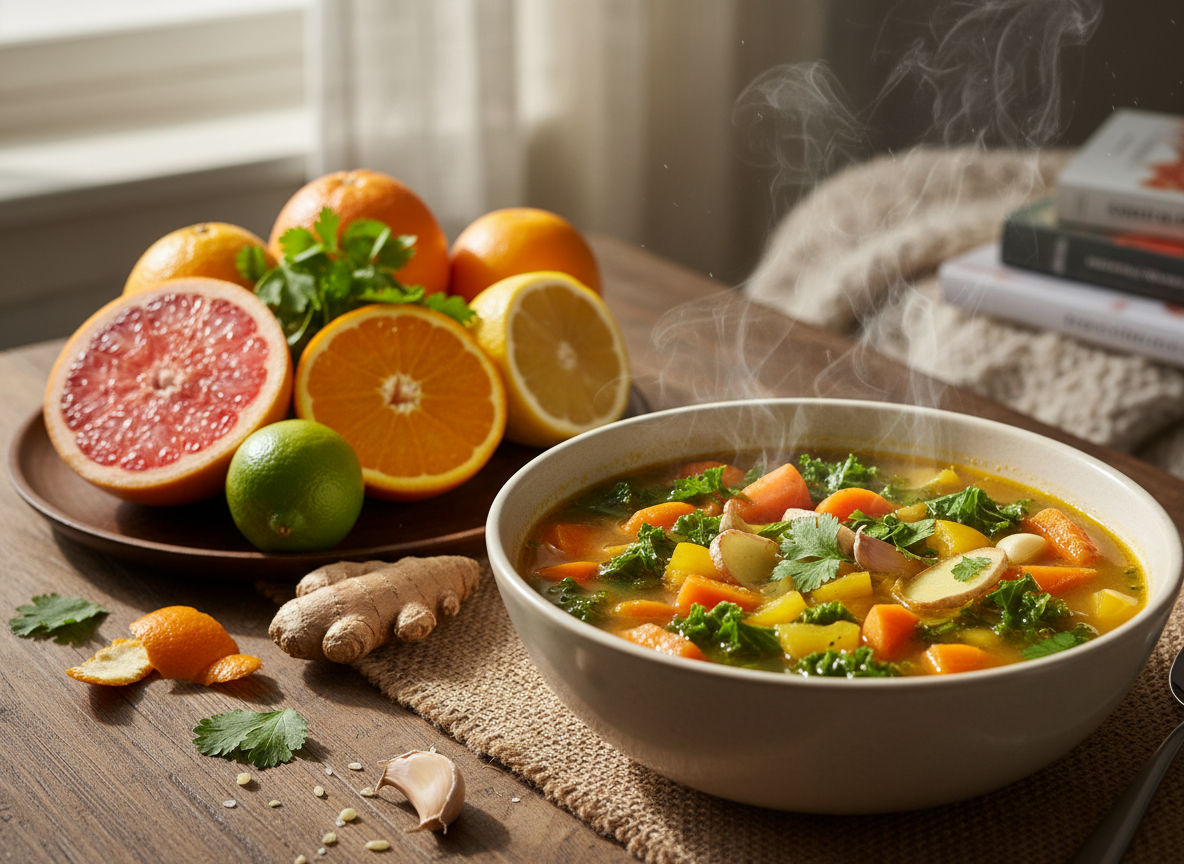
Found in citrus, bell peppers, and leafy greens (vitamin C) and in meat, seeds, and legumes (zinc), both nutrients play a documented role in immune function — getting enough through diet is generally the first goal.
Chronic stress works against your immune system
Prolonged stress suppresses immune response over time. Stress management isn’t just about mental wellbeing — it directly affects your body’s ability to fight off illness.

Gut health and immunity are closely linked
A large portion of your immune system is located in your gut. Supporting gut health through fiber and fermented foods indirectly supports immune function too.
Regular movement, not intense exercise
Moderate, consistent physical activity is associated with better immune function, while extremely intense or excessive exercise without adequate recovery can have the opposite effect.
Immune support connects to nearly every other area of wellness covered on this blog. If you want a more personalized starting point, MyFreeHealthReport’s free questionnaire can help.
Keep reading: Gut Health 101 or Sleep and Recovery: Why Rest Is Not Optional.


Leave a Reply